
About us
Brazil at a Glance
Publications

Anbima expands global dialogue at WAIFC meeting in Busan
Published October 16, 2026
To share
Annual gathering connects financial centers at different stages of development and introduces new framework for assessing their contribution to markets and economies
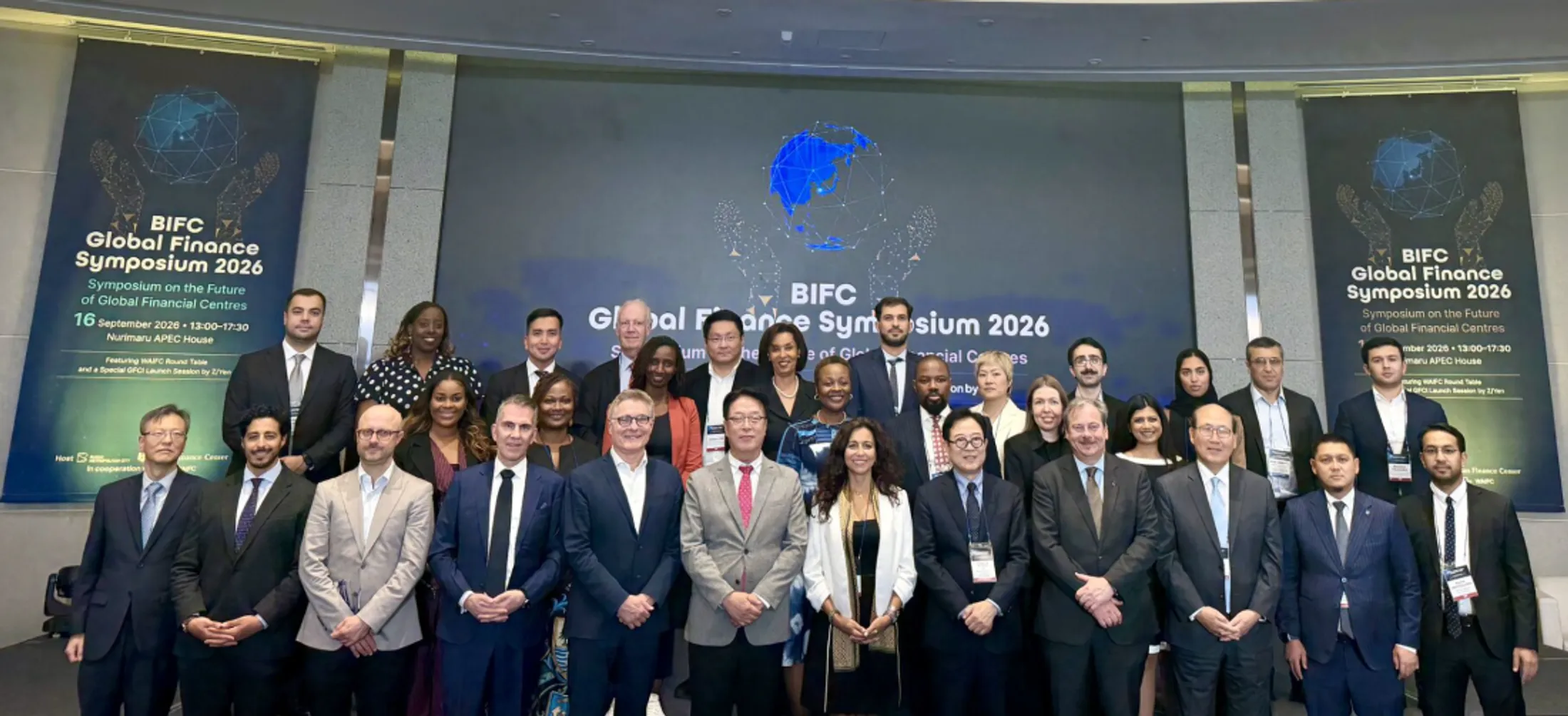
Anbima (Brazilian Financial and Capital Markets Association) strengthened its engagement with the international financial-center community during the World Alliance of International Financial Centers (WAIFC) Annual General Meeting in Busan, South Korea, held during the week of September 14–18.
The meeting marked Anbima’s first WAIFC annual gathering since joining the organization as an observer in June. Participation in the Alliance is part of the Association’s broader international strategy to build connections with financial centers worldwide, exchange experience and showcase developments taking place in Brazil’s financial and capital markets.
Hosted by the Busan Finance Center, the program combined WAIFC’s Annual General Meeting with institutional visits, roundtables and the BIFC Global Finance Symposium 2026, bringing together representatives from financial centers, policymakers and financial-sector leaders.
Different markets, common challenges
One of the strengths of the WAIFC network is the diversity of the financial centers it brings together. Its members range from established international hubs such as Hong Kong to financial centers that are still expanding their global role, including Tashkent, Uzbekistan, which became a full WAIFC member during the meeting after participating as an observer since 2022.
Their structures, priorities and stages of development vary considerably. Some serve as broad international gateways, while others are developing specialized areas of expertise or seeking to strengthen their domestic financial ecosystems.
This diversity creates opportunities to examine how different jurisdictions approach issues such as international connectivity, market infrastructure, innovation, talent, competitiveness and cooperation between the public and private sectors.
Busan itself offered an example of specialization. As one of the world’s major port cities, it has been developing its financial-center strategy around areas including maritime finance and derivatives. The BIFC Global Finance Symposium expanded the discussion to the links between the blue economy, maritime industries and global finance.
For Anbima, these exchanges provide an opportunity both to learn from different models and to increase international awareness of initiatives underway in Brazil as the country’s financial and capital markets continue to evolve.
Measuring the impact of financial centers
A key outcome of the meeting was the launch of WAIFC’s White Paper “The Impact of Financial Centers: A common framework for understanding value-creation models, measuring contribution and guiding action.”
The report proposes a practical framework that financial centers can use to better understand and demonstrate their contribution to their economies and broader ecosystems. It includes 59 key indicators across 24 thematic areas, covering dimensions such as economic activity, international connectivity, innovation, talent and institutional development.
Importantly, the methodology is not designed to produce a single ranking. Instead, it recognizes that financial centers operate under different mandates, market structures and levels of maturity. The framework identifies four broad models — Host Economy Catalysts, International Financial Gateways, Domestic Specialized Hubs and International Specialized Hubs — while allowing individual centers to combine characteristics of more than one model and evolve over time.
The approach can help individual jurisdictions identify strengths and areas for development, track progress and support dialogue with policymakers, regulators, investors and other market participants.
Read the full White Paper: The Impact of Financial Centers
WAIFC brings together institutions responsible for developing and promoting financial centers and provides a platform for sharing practices and exploring common challenges.
Anbima’s participation expands the Association’s access to this international network while creating another channel to present the transformation of Brazil’s financial and capital markets to global stakeholders.
The engagement complements Anbima’s work with other international organizations and forums and supports its efforts to connect Brazil more closely with global discussions on innovation, market development, regulation and competitiveness.
Anbima expands global dialogue at WAIFC meeting in Busan
Published October 16, 2026
To share
Annual gathering connects financial centers at different stages of development and introduces new framework for assessing their contribution to markets and economies
Anbima (Brazilian Financial and Capital Markets Association) strengthened its engagement with the international financial-center community during the World Alliance of International Financial Centers (WAIFC) Annual General Meeting in Busan, South Korea, held during the week of September 14–18.
The meeting marked Anbima’s first WAIFC annual gathering since joining the organization as an observer in June. Participation in the Alliance is part of the Association’s broader international strategy to build connections with financial centers worldwide, exchange experience and showcase developments taking place in Brazil’s financial and capital markets.
Hosted by the Busan Finance Center, the program combined WAIFC’s Annual General Meeting with institutional visits, roundtables and the BIFC Global Finance Symposium 2026, bringing together representatives from financial centers, policymakers and financial-sector leaders.
Different markets, common challenges
One of the strengths of the WAIFC network is the diversity of the financial centers it brings together. Its members range from established international hubs such as Hong Kong to financial centers that are still expanding their global role, including Tashkent, Uzbekistan, which became a full WAIFC member during the meeting after participating as an observer since 2022.
Their structures, priorities and stages of development vary considerably. Some serve as broad international gateways, while others are developing specialized areas of expertise or seeking to strengthen their domestic financial ecosystems.
This diversity creates opportunities to examine how different jurisdictions approach issues such as international connectivity, market infrastructure, innovation, talent, competitiveness and cooperation between the public and private sectors.
Busan itself offered an example of specialization. As one of the world’s major port cities, it has been developing its financial-center strategy around areas including maritime finance and derivatives. The BIFC Global Finance Symposium expanded the discussion to the links between the blue economy, maritime industries and global finance.
For Anbima, these exchanges provide an opportunity both to learn from different models and to increase international awareness of initiatives underway in Brazil as the country’s financial and capital markets continue to evolve.
Measuring the impact of financial centers
A key outcome of the meeting was the launch of WAIFC’s White Paper “The Impact of Financial Centers: A common framework for understanding value-creation models, measuring contribution and guiding action.”
The report proposes a practical framework that financial centers can use to better understand and demonstrate their contribution to their economies and broader ecosystems. It includes 59 key indicators across 24 thematic areas, covering dimensions such as economic activity, international connectivity, innovation, talent and institutional development.
Importantly, the methodology is not designed to produce a single ranking. Instead, it recognizes that financial centers operate under different mandates, market structures and levels of maturity. The framework identifies four broad models — Host Economy Catalysts, International Financial Gateways, Domestic Specialized Hubs and International Specialized Hubs — while allowing individual centers to combine characteristics of more than one model and evolve over time.
The approach can help individual jurisdictions identify strengths and areas for development, track progress and support dialogue with policymakers, regulators, investors and other market participants.
Read the full White Paper: The Impact of Financial Centers
WAIFC brings together institutions responsible for developing and promoting financial centers and provides a platform for sharing practices and exploring common challenges.
Anbima’s participation expands the Association’s access to this international network while creating another channel to present the transformation of Brazil’s financial and capital markets to global stakeholders.
The engagement complements Anbima’s work with other international organizations and forums and supports its efforts to connect Brazil more closely with global discussions on innovation, market development, regulation and competitiveness.
Get exclusive updates by email
Receive news, tips, events, and much more directly to your inbox.
Get exclusive updates by email
Receive news, tips, events, and much more directly to your inbox.