
About us
Brazil at a Glance
Publications

Brazil’s Central Bank and Anbima set credit events convention
Published April 2, 2026
To share
Measure broadens list of situations that may affect obligations in credit derivatives and credit-linked COEs
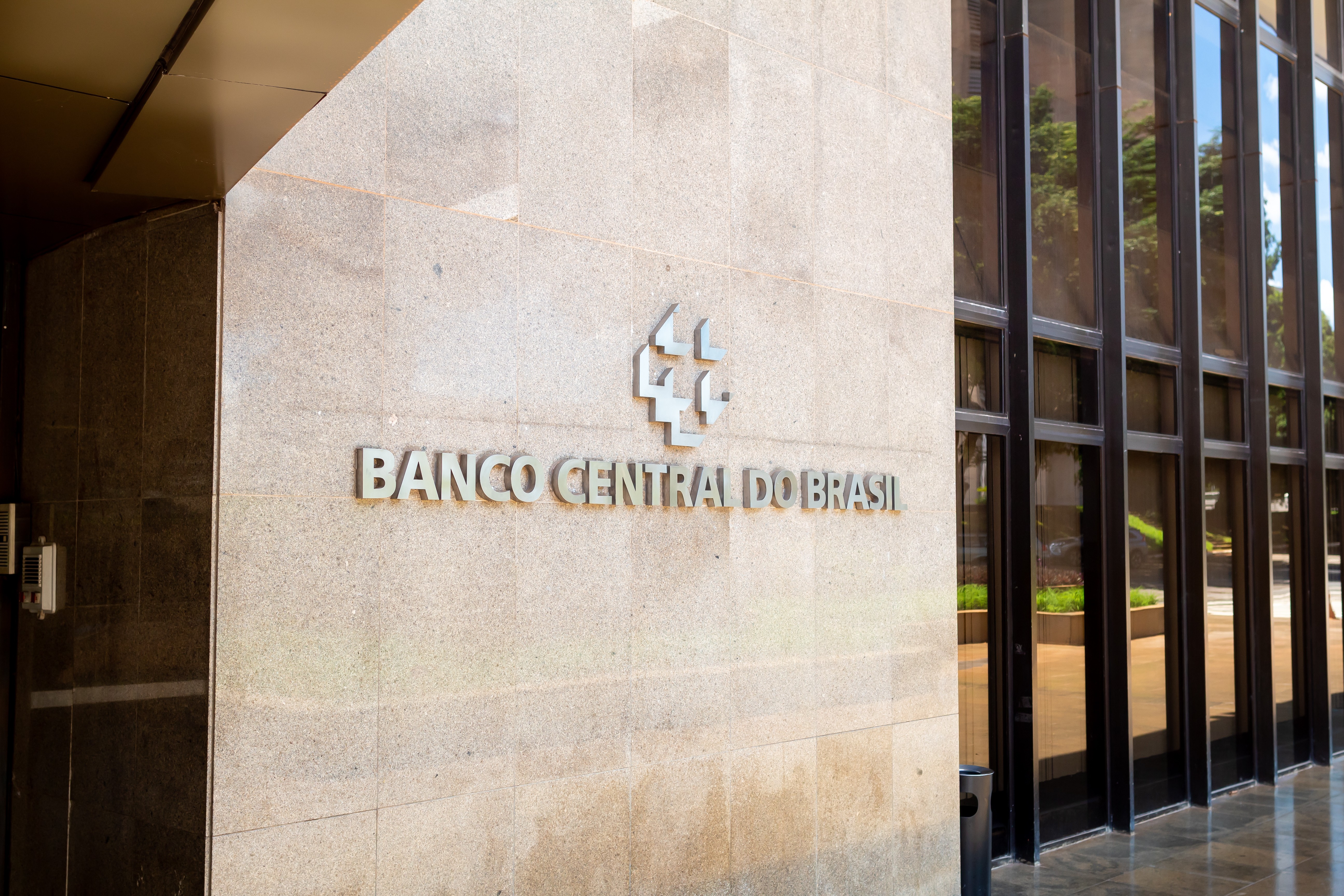
Brazil’s Central Bank approved in March Anbima’s convention for defining credit events, developed over the course of 2025. The measure broadens the range of situations that may affect the performance of obligations in credit derivative transactions and credit COEs, or Certificates of Structured Operations, including bankruptcy and failure to pay, as provided for in National Monetary Council’s Resolutions 5,070 and 5,166.
The decision marks the consolidation of a regulatory partnership between Brazil’s Central Bank and Anbima to develop and standardize this market in Brazil. According to Anbima CEO José Carlos Doherty, regulation brings certainty, while self-regulation ensures alignment with institutions’ practices, allowing these sectors to function fully. “This combination of expertise is essential,” he said.
He added that the convention brings Brazil closer to international best practices and is aligned with standards established by the International Swaps and Derivatives Association (ISDA), the global benchmark for derivatives contracts and rules. “Our commitment is to create more transparent, secure and innovative conditions to support these transactions in the Brazilian market,” he said.
About the convention
The document details credit events already provided for in regulation and adds new situations, such as the early maturity of obligations. “The list provides legal and operational certainty for transactions, strengthening the confidence of market participants and investors. It is an important step toward encouraging trading in these instruments and expanding predictability and standardization in line with international markets, increasing the efficiency of our market,” said Anbima director, Eric Altafim.
The convention is now available for use in credit derivative and credit COE transactions. To adopt it, institutions must state either in the confirmation document for derivative transactions or in the DIE (Essential Information Document), which sets out the product’s main features, that the definition of credit events applicable to the transaction will be the one established in the Anbima and Central Bank Convention.
Background
National Monetary Council’s Resolutions 5,070 and 5,166 established a minimum list of credit events, but the initial set remained limited compared with the range of situations recognized in international markets. To address that gap, through Resolution 5,167, the National Monetary Council authorized self-regulatory entities to propose additions to the mandatory list, subject to approval by Brazil’s Central Bank.
Throughout 2025, we brought together market participants, analyzed international practices and structured a robust proposal to expand and detail the credit events applicable to these instruments.
Brazil’s Central Bank and Anbima set credit events convention
Published April 2, 2026
To share
Measure broadens list of situations that may affect obligations in credit derivatives and credit-linked COEs
Brazil’s Central Bank approved in March Anbima’s convention for defining credit events, developed over the course of 2025. The measure broadens the range of situations that may affect the performance of obligations in credit derivative transactions and credit COEs, or Certificates of Structured Operations, including bankruptcy and failure to pay, as provided for in National Monetary Council’s Resolutions 5,070 and 5,166.
The decision marks the consolidation of a regulatory partnership between Brazil’s Central Bank and Anbima to develop and standardize this market in Brazil. According to Anbima CEO José Carlos Doherty, regulation brings certainty, while self-regulation ensures alignment with institutions’ practices, allowing these sectors to function fully. “This combination of expertise is essential,” he said.
He added that the convention brings Brazil closer to international best practices and is aligned with standards established by the International Swaps and Derivatives Association (ISDA), the global benchmark for derivatives contracts and rules. “Our commitment is to create more transparent, secure and innovative conditions to support these transactions in the Brazilian market,” he said.
About the convention
The document details credit events already provided for in regulation and adds new situations, such as the early maturity of obligations. “The list provides legal and operational certainty for transactions, strengthening the confidence of market participants and investors. It is an important step toward encouraging trading in these instruments and expanding predictability and standardization in line with international markets, increasing the efficiency of our market,” said Anbima director, Eric Altafim.
The convention is now available for use in credit derivative and credit COE transactions. To adopt it, institutions must state either in the confirmation document for derivative transactions or in the DIE (Essential Information Document), which sets out the product’s main features, that the definition of credit events applicable to the transaction will be the one established in the Anbima and Central Bank Convention.
Background
National Monetary Council’s Resolutions 5,070 and 5,166 established a minimum list of credit events, but the initial set remained limited compared with the range of situations recognized in international markets. To address that gap, through Resolution 5,167, the National Monetary Council authorized self-regulatory entities to propose additions to the mandatory list, subject to approval by Brazil’s Central Bank.
Throughout 2025, we brought together market participants, analyzed international practices and structured a robust proposal to expand and detail the credit events applicable to these instruments.
Brazil’s Central Bank and Anbima set credit events convention
Published April 2, 2026
To share
Measure broadens list of situations that may affect obligations in credit derivatives and credit-linked COEs
Brazil’s Central Bank approved in March Anbima’s convention for defining credit events, developed over the course of 2025. The measure broadens the range of situations that may affect the performance of obligations in credit derivative transactions and credit COEs, or Certificates of Structured Operations, including bankruptcy and failure to pay, as provided for in National Monetary Council’s Resolutions 5,070 and 5,166.
The decision marks the consolidation of a regulatory partnership between Brazil’s Central Bank and Anbima to develop and standardize this market in Brazil. According to Anbima CEO José Carlos Doherty, regulation brings certainty, while self-regulation ensures alignment with institutions’ practices, allowing these sectors to function fully. “This combination of expertise is essential,” he said.
He added that the convention brings Brazil closer to international best practices and is aligned with standards established by the International Swaps and Derivatives Association (ISDA), the global benchmark for derivatives contracts and rules. “Our commitment is to create more transparent, secure and innovative conditions to support these transactions in the Brazilian market,” he said.
About the convention
The document details credit events already provided for in regulation and adds new situations, such as the early maturity of obligations. “The list provides legal and operational certainty for transactions, strengthening the confidence of market participants and investors. It is an important step toward encouraging trading in these instruments and expanding predictability and standardization in line with international markets, increasing the efficiency of our market,” said Anbima director, Eric Altafim.
The convention is now available for use in credit derivative and credit COE transactions. To adopt it, institutions must state either in the confirmation document for derivative transactions or in the DIE (Essential Information Document), which sets out the product’s main features, that the definition of credit events applicable to the transaction will be the one established in the Anbima and Central Bank Convention.
Background
National Monetary Council’s Resolutions 5,070 and 5,166 established a minimum list of credit events, but the initial set remained limited compared with the range of situations recognized in international markets. To address that gap, through Resolution 5,167, the National Monetary Council authorized self-regulatory entities to propose additions to the mandatory list, subject to approval by Brazil’s Central Bank.
Throughout 2025, we brought together market participants, analyzed international practices and structured a robust proposal to expand and detail the credit events applicable to these instruments.
Get exclusive updates by email
Receive news, tips, events, and much more directly to your inbox.
Get exclusive updates by email
Receive news, tips, events, and much more directly to your inbox.